LWV-Wilmette Affordable housing action plan
- Monitor Wilmette’s comprehensive plan process; advocating for robust affordable housing component
- Strengthen potential alliances with Joining Forces for Affordable Housing, CPAH and others
- Continue monitoring progress at Cleland Place and Optima/CPAH-specifically keeping updated on the Optima Donation and the planned scope/grant agreement between CPAH and Village
- Monitor/engage with the Housing Commission
- Continue raising awareness of need for, and education about, AH, remembering Village’s past history with focus on the future
affordable housing Q&A
Affordable housing – what is it?
The concept of “affordable housing” rests on the assumption that housing should not cost more than thirty percent (30%) of a family’s gross income. Families that pay more than 30% of their gross income for housing (including mortgage payments, taxes and insurance for owners, or rental costs for renters) are considered cost burdened, and therefore, may have difficulty affording other necessities such as food, clothing, transportation, and medical care. Generally, housing units that cost at or below 30% of a household's income would be deemed “affordable.”
The term affordable housing is separately defined in federal and state statutes relating to housing programs and policies, in that it is linked to the median income of a geographic area (an area used in the US census for statistical analysis). This is used in order to analyze averages and total numbers related to housing.
Although a limited number of government-supported programs provide direct financial assistance through stipends or vouchers, the overall goal of providing "affordable housing” is to use resources that help to develop or maintain units at prices that individuals and families can afford to pay. For example, the Village may waive permit costs for developing senior housing based on certain median income so that a developer could more easily afford to build such a development, or such a development may be eligible for real estate or income tax exemptions to create financial incentive.
Does the League of Women Voters have a position on affordable housing?
Yes. The League of Women Voters has the following positions on public policy. https://my.lwv.org/sites/default/files/summary_of_lwvus_public_policy_positions_2022-2024.pdf The League of Women Voters (LWV) policy, since the 1980’s, has been to support public standards that meet minimum human needs, including safe and financially available shelter. The League supports policies that help to supply an adequate and affordable supply of safe living environments for all families, including supporting initiatives by local jurisdictions that encourage the development and maintenance of decent housing for low to moderate income groups.
What is the Village of Wilmette’s policy on Affordable Housing?
On June 10, 2025, the Village Board passed an affordable housing plan to comply with Illinois State Affordable Housing Planning and Appeals Act (AHPAA). Village of Wilmette Affordable Housing Plan Adopted 6-10-2025.pdf This plan will become part of the overall Housing Plan with the Village of Wilmette’s Comprehensive Plan. The Village is actively working to increase its supply of affordable housing to comply with the AHPAA requirement for municipalities to achieve affordability for at least 10% of their housing stock. The Village Board tasked the Housing Commission with making recommendations on how to best accomplish this. The definition of affordability rests on the area median income as explained above, and in more detail in the 2023-AHPAA-Handbook. THe Village's affordable housing plan includes possible strategies like including inclusionary zoning requirements in new developments, exploring options for accessory dwelling units (ADUs), finding financial resources to maintain existing affordable units, and identifying potential sites for redevelopment that could include affordable housing. The updated Affordable Housing Plan was adopted by the Village of Wilmette in June, 2025.
What is the purpose of the Housing Commission in Wilmette and where can I learn more?
The Wilmette Housing Commission's primary purpose is to make recommendations for addressing the shortage of decent, safe, and reasonably affordable housing in the village, particularly for the elderly and low-to-moderate income residents. This includes studying housing alternatives, reviewing the Village's Affordable Housing Plan, and monitoring community land trusts. Additional information on the function of the Housing Commission can be found at: https://www.wilmette.gov/351/Housing-Commission
What is the difference between a comprehensive plan, a housing plan and an affordable housing plan in Wilmette?
In Wilmette, a comprehensive plan is a broad, overarching document guiding the village's development, while a housing plan is a more specific plan focused solely on housing issues. An affordable housing plan, a component of the broader housing plan, addresses the specific need for housing that is accessible to low and moderate-income residents. All of these documents can be found on the Village of Wilmette’s website at: wilmette-comprehensive-plan-adopted-6-25-24.pdf
What types of affordable housing currently exist in Wilmette?
Wilmette’s estimated total affordable housing units totals 501 units per a 2023 Illinois Housing Development Authority report. This represents 4.8 percent of the village’s total housing stock. The Village would need to add an additional 532 affordable units to meet the 10 percent threshold to become exempt from having to update and file revised affordable housing plans with the state under the AHPAA. Information about the affordable housing units in the village can be found at: https://www.wilmette.gov/DocumentCenter/View/3524/Village-of-Wilmette-Affordable-Housing-Plan-Adopted-6-10-2025?bidId=
What are different and creative ways to provide more affordable housing units in Wilmette?
Outlined in Wilmette’ affordable housing plan are eleven potential strategies and actions that were recommended by the Village’s Housing Commission. It will be up to the Housing Commission in conjunction with Village Leaders to review and consider how to turn these potential actions and strategies into a concrete plan for the Village Board to approve.
Who have been the successful developers that have built affordable housing opportunities in Wilmette?
Wilmette has several entities working towards increasing the availability of affordable housing. Some key players and their contributions include:
Why did Optima not have affordable housing units included in their new buildings on Green Bay Road?
Optima's new buildings on Green Bay Road in Wilmette do not include on-site affordable housing units because the Village allowed them to make a monetary contribution to the Village of Wilmette to support affordable housing initiatives elsewhere in the community. Instead of incorporating affordable units directly into their development, Optima paid the village $1.6 million to be used for affordable housing projects throughout Wilmette. For the Optima Lumina project in Wilmette, Optima has agreed to contribute $3.8 million to the village for affordable housing initiatives. This is part of the zoning agreement for the development. The Village Housing Commission will review options of how this money could be distributed for affordable housing initiatives.
What does inclusionary zoning mean?
Inclusionary zoning (IZ) is a land-use policy that requires or encourages developers to include a percentage of affordable housing units in new residential developments. This policy aims to increase the availability of affordable housing options and promote more diverse and inclusive communities. IZ can be mandatory, where developers must include affordable units, or voluntary, where incentives are offered for including them.
The 2025 Wilmette Affordable Housing Plan explains that the Village’s approach to inclusionary zoning is through its Planned Unit Development (PUD) zoning approval process, to encourage the inclusion of affordable units in new developments, or for developers to otherwise contribute to the addition or maintenance of affordable housing through financial contributions. Currently, the Village has no ordinance that mandates the inclusion of affordable units in multi-family or multi-use developments.
What other non-profits exist to support individuals who need housing assistance that serve Cook County and the Northshore?
Here are some non-profit organizations in and around New Trier Township that provide housing assistance or related services for seniors:
Concerns tend to be raised that affordable housing in communities increase criminal activity, depreciate property values and increase traffic congestion. Has this been a problem in Wilmette?
The LWV-Wilmette has had a long history of advocating for fair and affordable housing in Wilmette. An active housing committee within the league has been steadfast in writing local leaders, advocating in the reinstatement of the Housing and Human Commission and instrumental in getting members to participate in local advocacy and education to address concerns over new developments within Wilmette for the last 12 years. If you are interested in learning more, visit our website to review our history and to participate in our local housing committee. https://www.lwvwilmette.org/affordable-housing.html
The concept of “affordable housing” rests on the assumption that housing should not cost more than thirty percent (30%) of a family’s gross income. Families that pay more than 30% of their gross income for housing (including mortgage payments, taxes and insurance for owners, or rental costs for renters) are considered cost burdened, and therefore, may have difficulty affording other necessities such as food, clothing, transportation, and medical care. Generally, housing units that cost at or below 30% of a household's income would be deemed “affordable.”
The term affordable housing is separately defined in federal and state statutes relating to housing programs and policies, in that it is linked to the median income of a geographic area (an area used in the US census for statistical analysis). This is used in order to analyze averages and total numbers related to housing.
Although a limited number of government-supported programs provide direct financial assistance through stipends or vouchers, the overall goal of providing "affordable housing” is to use resources that help to develop or maintain units at prices that individuals and families can afford to pay. For example, the Village may waive permit costs for developing senior housing based on certain median income so that a developer could more easily afford to build such a development, or such a development may be eligible for real estate or income tax exemptions to create financial incentive.
Does the League of Women Voters have a position on affordable housing?
Yes. The League of Women Voters has the following positions on public policy. https://my.lwv.org/sites/default/files/summary_of_lwvus_public_policy_positions_2022-2024.pdf The League of Women Voters (LWV) policy, since the 1980’s, has been to support public standards that meet minimum human needs, including safe and financially available shelter. The League supports policies that help to supply an adequate and affordable supply of safe living environments for all families, including supporting initiatives by local jurisdictions that encourage the development and maintenance of decent housing for low to moderate income groups.
What is the Village of Wilmette’s policy on Affordable Housing?
On June 10, 2025, the Village Board passed an affordable housing plan to comply with Illinois State Affordable Housing Planning and Appeals Act (AHPAA). Village of Wilmette Affordable Housing Plan Adopted 6-10-2025.pdf This plan will become part of the overall Housing Plan with the Village of Wilmette’s Comprehensive Plan. The Village is actively working to increase its supply of affordable housing to comply with the AHPAA requirement for municipalities to achieve affordability for at least 10% of their housing stock. The Village Board tasked the Housing Commission with making recommendations on how to best accomplish this. The definition of affordability rests on the area median income as explained above, and in more detail in the 2023-AHPAA-Handbook. THe Village's affordable housing plan includes possible strategies like including inclusionary zoning requirements in new developments, exploring options for accessory dwelling units (ADUs), finding financial resources to maintain existing affordable units, and identifying potential sites for redevelopment that could include affordable housing. The updated Affordable Housing Plan was adopted by the Village of Wilmette in June, 2025.
What is the purpose of the Housing Commission in Wilmette and where can I learn more?
The Wilmette Housing Commission's primary purpose is to make recommendations for addressing the shortage of decent, safe, and reasonably affordable housing in the village, particularly for the elderly and low-to-moderate income residents. This includes studying housing alternatives, reviewing the Village's Affordable Housing Plan, and monitoring community land trusts. Additional information on the function of the Housing Commission can be found at: https://www.wilmette.gov/351/Housing-Commission
What is the difference between a comprehensive plan, a housing plan and an affordable housing plan in Wilmette?
In Wilmette, a comprehensive plan is a broad, overarching document guiding the village's development, while a housing plan is a more specific plan focused solely on housing issues. An affordable housing plan, a component of the broader housing plan, addresses the specific need for housing that is accessible to low and moderate-income residents. All of these documents can be found on the Village of Wilmette’s website at: wilmette-comprehensive-plan-adopted-6-25-24.pdf
What types of affordable housing currently exist in Wilmette?
Wilmette’s estimated total affordable housing units totals 501 units per a 2023 Illinois Housing Development Authority report. This represents 4.8 percent of the village’s total housing stock. The Village would need to add an additional 532 affordable units to meet the 10 percent threshold to become exempt from having to update and file revised affordable housing plans with the state under the AHPAA. Information about the affordable housing units in the village can be found at: https://www.wilmette.gov/DocumentCenter/View/3524/Village-of-Wilmette-Affordable-Housing-Plan-Adopted-6-10-2025?bidId=
What are different and creative ways to provide more affordable housing units in Wilmette?
Outlined in Wilmette’ affordable housing plan are eleven potential strategies and actions that were recommended by the Village’s Housing Commission. It will be up to the Housing Commission in conjunction with Village Leaders to review and consider how to turn these potential actions and strategies into a concrete plan for the Village Board to approve.
Who have been the successful developers that have built affordable housing opportunities in Wilmette?
Wilmette has several entities working towards increasing the availability of affordable housing. Some key players and their contributions include:
- Housing Opportunity Development Corporation (HODC)
- Developed Cleland Place, a 16-unit affordable apartment building in Wilmette that opened in 2021. Cleland Place is designed for households earning at or below 60% of the Area Median Income, offering one and two-bedroom apartments with amenities like a community room, laundry room, elevator, and resident activities.
- Community Partners for Affordable Housing (CPAH)
- A HUD-certified nonprofit organization dedicated to developing affordable housing and providing services to individuals and families seeking quality housing. Partnered with the Village of Wilmette to establish a Community Land Trust (CLT) program in Wilmette, enabling the creation of permanently affordable units.
- Received the $1.6 million contribution from Optima to support affordable housing initiatives.
- Collaborated with the Morgante Wilson Foundation to purchase and renovate a home through the CLT program.
- Mallinckrodt in the Park by Pickus Companies and Occulus Development
- Purchased originally by the Wilmette Park District, which issued a Request for Proposal for a redevelopment. Upon completion, 12 of the 81 condominium units were designated as affordable.
- The Morgante Wilson Foundation
- Created in 2020, the Morgante Wilson Foundation (MWF) aims to help affordable housing organizations, like Community Partners for Affordable Housing (CPAH) bring affordable housing to the northern suburbs of Chicago.
Why did Optima not have affordable housing units included in their new buildings on Green Bay Road?
Optima's new buildings on Green Bay Road in Wilmette do not include on-site affordable housing units because the Village allowed them to make a monetary contribution to the Village of Wilmette to support affordable housing initiatives elsewhere in the community. Instead of incorporating affordable units directly into their development, Optima paid the village $1.6 million to be used for affordable housing projects throughout Wilmette. For the Optima Lumina project in Wilmette, Optima has agreed to contribute $3.8 million to the village for affordable housing initiatives. This is part of the zoning agreement for the development. The Village Housing Commission will review options of how this money could be distributed for affordable housing initiatives.
What does inclusionary zoning mean?
Inclusionary zoning (IZ) is a land-use policy that requires or encourages developers to include a percentage of affordable housing units in new residential developments. This policy aims to increase the availability of affordable housing options and promote more diverse and inclusive communities. IZ can be mandatory, where developers must include affordable units, or voluntary, where incentives are offered for including them.
The 2025 Wilmette Affordable Housing Plan explains that the Village’s approach to inclusionary zoning is through its Planned Unit Development (PUD) zoning approval process, to encourage the inclusion of affordable units in new developments, or for developers to otherwise contribute to the addition or maintenance of affordable housing through financial contributions. Currently, the Village has no ordinance that mandates the inclusion of affordable units in multi-family or multi-use developments.
What other non-profits exist to support individuals who need housing assistance that serve Cook County and the Northshore?
Here are some non-profit organizations in and around New Trier Township that provide housing assistance or related services for seniors:
- New Trier Township's Housing Resources Department: While not a non-profit itself, New Trier Township acts as a hub and connects individuals to various organizations that offer housing assistance, including those listed below.
- Housing Our Own: Housing Our Own-Wilmette is a not-for-profit corporation dedicated to providing financial assistance to seniors and individuals with disabilities to ensure they can remain members of our community. To help defray the cost of living in Wilmette HOO provides rental and property tax subsidies.
- North Shore Senior Center: Located in Northfield, this organization offers guidance and support to help seniors find and access resources, including options for staying in their current homes or exploring other housing alternatives.
- CJE SeniorLife: Provides Consumer Assistance Resource Specialists who can offer housing referrals and information on in-home help and home modifications, assisting seniors in continuing to live independently in their homes as they age.
- Family Service of Glencoe: Offers a Senior Housing Program providing financial assistance and case management to qualified seniors in Glencoe.
- Catholic Charities: While a broad service provider, they offer services in the region that include senior services and may provide assistance or referrals related to housing, shelter, and self-sufficiency for families experiencing homelessness.
- Center of Concern: This agency is listed as a partner in providing services for the northern/northwestern Cook County suburban area.
- Connections for the Homeless: Works with Coordinated Entry/Entry Point to help individuals experiencing homelessness access resources, which could potentially include seniors in need of housing assistance.
- Journeys: The Road Home: Offers counseling, shelter, and housing resources, potentially including assistance for seniors.
- Northwest Compass: Provides various services, including housing assistance, to residents of the northern/northwestern Cook County suburban area.
- Open Communities: Offers free educational resources, housing counseling and fair housing (nondiscrimination in housing) support to prevent eviction and foreclosure. OC also works with seniors and families impacted by incarceration and counsel on reverse mortgages.
Concerns tend to be raised that affordable housing in communities increase criminal activity, depreciate property values and increase traffic congestion. Has this been a problem in Wilmette?
- Crime: Wilmette has a significantly lower overall crime rate compared to the national average. There's no readily available information suggesting that existing affordable housing in Wilmette has led to increased crime.
- Property Values: The average home value in Wilmette has been increasing, up 6.3% over the past year. There is no evidence suggesting that existing affordable housing in Wilmette has negatively impacted property values.
- Traffic Congestion: While Wilmette, like many communities, experiences traffic, there is no evidence to suggest that existing or proposed affordable housing developments are the primary drivers of congestion. In fact, increasing affordable housing could potentially reduce traffic by allowing more people to live closer to jobs and amenities. The Village's Affordable Housing Plan identifies potential sites for affordable housing, some of which may be near existing commercial areas or require redevelopment.
The LWV-Wilmette has had a long history of advocating for fair and affordable housing in Wilmette. An active housing committee within the league has been steadfast in writing local leaders, advocating in the reinstatement of the Housing and Human Commission and instrumental in getting members to participate in local advocacy and education to address concerns over new developments within Wilmette for the last 12 years. If you are interested in learning more, visit our website to review our history and to participate in our local housing committee. https://www.lwvwilmette.org/affordable-housing.html
affordable housing background
|
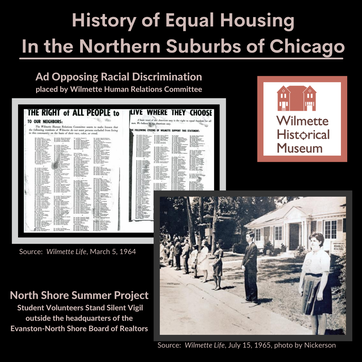
History of Equal Housing in the Northern Suburbs
This document, created by Open Communities and Shorefront Legacy Center, provides an important and insightful chronology of historical events leading to efforts to provide fair and equitable housing on the North Shore. |
|
Affordable Housing in the Village of Wilmette
From late 2021 through 2022, the Village of Wilmette will be undergoing the development of a new Comprehensive Plan, which will guide community priorities over the next decade. Plan development will include a housing component, with a specific focus on this aspect slated for Spring 2022. The Village has indicated, “Understanding housing requires assessing the needs of households at varying income levels, age ranges, and life stages and identifying opportunities to meet those needs. Demographic and socioeconomic conditions and trends, as well as characteristics of market-rate and affordable housing, are studied to understand this essential aspect of the community.” The community has spoken clearly, and the LWV-Wilmette has advocated, for a robust affordable housing component. The Village Board has indicated a commitment to that. As part of the last comprehensive plan, developed in 2000, the Village created its first and still current Affordable Housing Plan in 2004 wherein it states, ‘The crux of the Plan is the Village’s ongoing commitment to a proactive but reasoned approach to providing additional affordable housing.” In October 2020, the LWV-W presented information on affordable housing in Wilmette and the newly rechartered Housing and Human Relations Commission. This presentation is an excellent resource for anyone hoping to learn more about affordable housing presently in our Village. LWV-Wilmette advocated for the Village Board to meet its commitment to the Illinois Housing Development Authority (IHDA) request for updated Affordable Housing Plans per the Illinois Affordable Housing Planning & Appeals Act. We asked that they affirm Wilmette’s intention for the upcoming Comprehensive Plan to include a robust affordable housing section. |
|
Village of Wilmette Housing Commission Reinvigorated
In early 2021, the Village Board rechartered the Housing Commission, after it had been dormant since 2015. The LWV-Wilmette has advocated for the importance of this Commission as part of an overall effort to ensure that Wilmette becomes a diverse and accessible community. LWV-W continues to closely follow the work of this Commission. The Village of Wilmette Board in January 2021 approved the new staff and charter for Wilmette’s Housing Commission here. LWV-Wilmette sent this email correspondence to the Village Administration Committee following the Village Board discussion of the “Boards & Commissions Review” at the June 23, 2020 meeting. |
Affordable housing developments
|
The Cleland Place - 16 Unit Development
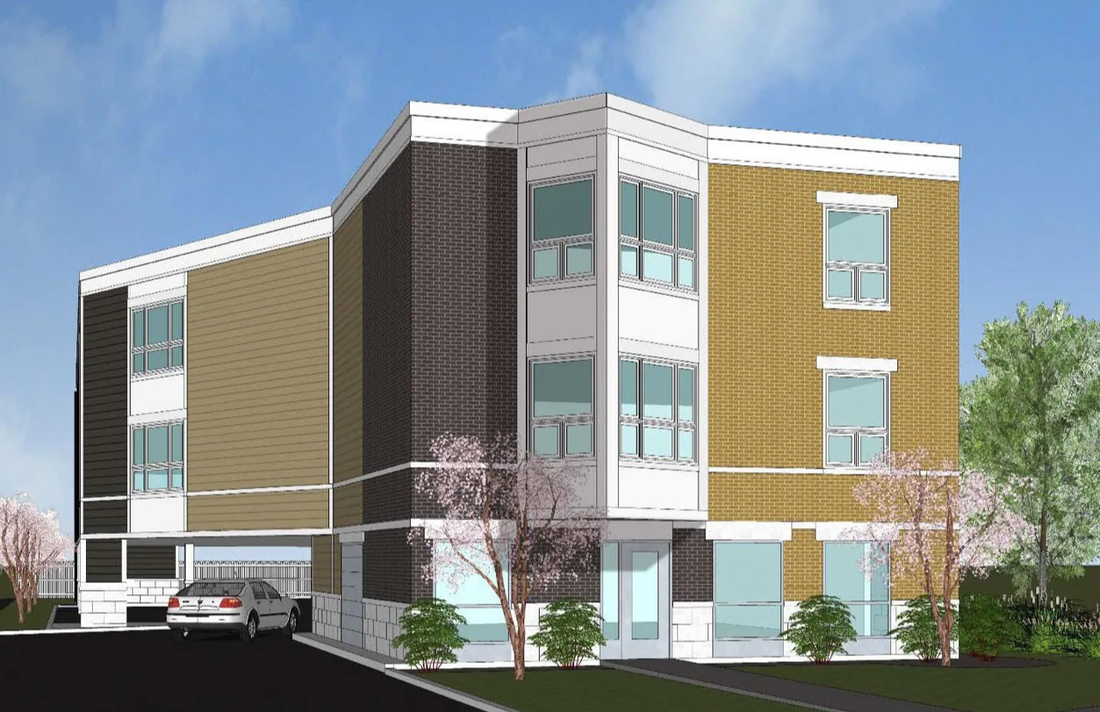
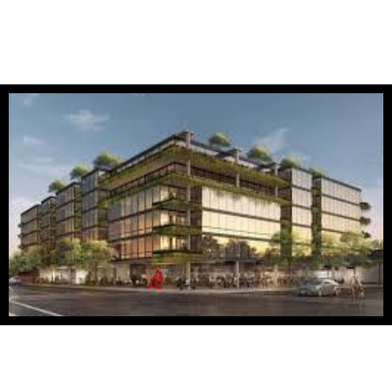
In Fall 2021, Wilmette celebrated the opening of the Village’s first non-senior affordable housing, Cleland Place, a 16-unit residential building at 1925 Wilmette Ave. This project came to fruition six years after non-profit developer Housing Opportunity Development Corporation (HODC) initially proposed it. Cleland Place is named for Jean Cleland, a longtime Wilmette resident, a founding board member for HODC, and a longtime advocate for diversity and inclusion in Wilmette. The building features 10 one-bedroom and six two-bedroom apartments that cost $600 and $800 per month. The average monthly rent for a market rate one-or-two bedroom apartment in Wilmette is $1900. It also has 20 parking spaces, a community room, laundry, security cameras and accessible units. Cleland Place received 117 applicants for the units demonstrating a need for affordable housing in Wilmette. Funding for the project came from the Illinois Housing Development Authority, National Equity Fund, Wintrust Bank, ComEd (which provided a grant to make the building a green facility) and Housing Authority of Cook County In November 2020, a ceremony to announce the groundbreaking was on Facebook Live. The LWV-W created a Q&A and video to educate Wilmette residents on affordable housing and to support the Cleland Place PUD process in July 2017. To learn more about the current status of Cleland Place, visit the HODC website. |
|
Optima Development
As of October 2021, Optima has delivered on their commitment to deliver $1.6m to the Village to support affordable housing in Wilmette. Village Manager, Mike Braiman has indicated that the Village is working with its community partners to “leverage the funds” to earn tax credits and turn it into 14 affordable-housing units in town. The Village has been in discussion with Community Partners for Affordable Housing (CPAH) to support this work. CPAH is a HUD-certified nonprofit organization that develops affordable housing and provides services that empower individuals and families to secure and retain quality housing. CPAH is based in Skokie, Illinois and has helped the cities of Evanston, Highland Park and Lake Forest create affordable housing units. Throughout the Optima development PUD approval process, the LWV-W actively advocated to ensure affordable housing was included in the final negotiated agreement. |
volunteer to help
Interested in learning more or want to be part of our LWV-Wilmette affordable housing advocacy team?
LWVUS POSITION IN BRIEF |
|